
In January 2026, Edwin Barkdoll and Billy Helprin performed a necropsy on a large male common loon picked up by an Inland Fisheries & Wildlife official on June 4th, 2025 from the shore of Sabbathday Lake in New Gloucester, Maine. The loon had been observed to be sick and shortly thereafter was found dead.
This male was in fantastic shape in terms of muscle mass, good amounts of subcutaneous fat (energy reserves), beautiful feather & skin condition, no signs of injury, and no observed parasites inside or out. In the vast majority of loon necropsies, we most often find evidence of former territorial fights with other loons in the form of oblong or triangular holes in the sternal plate – a thin bony structure, covered by the flight muscles and skin and feathers, that protects the chest and much of the abdomen. These penetrations are the result of being stabbed by loon bills – and more often than not, they recover from these injuries. They are tough animals.
The bird we examined did not have any sternal punctures. It may have been that he was such a dominant, imposing bird that no challengers wanted to mess with him. We have no way of knowing how old he was, other than being an adult (>3 years old and likely older), but still impressive to have avoided successful attacks from below throughout his lifetime.
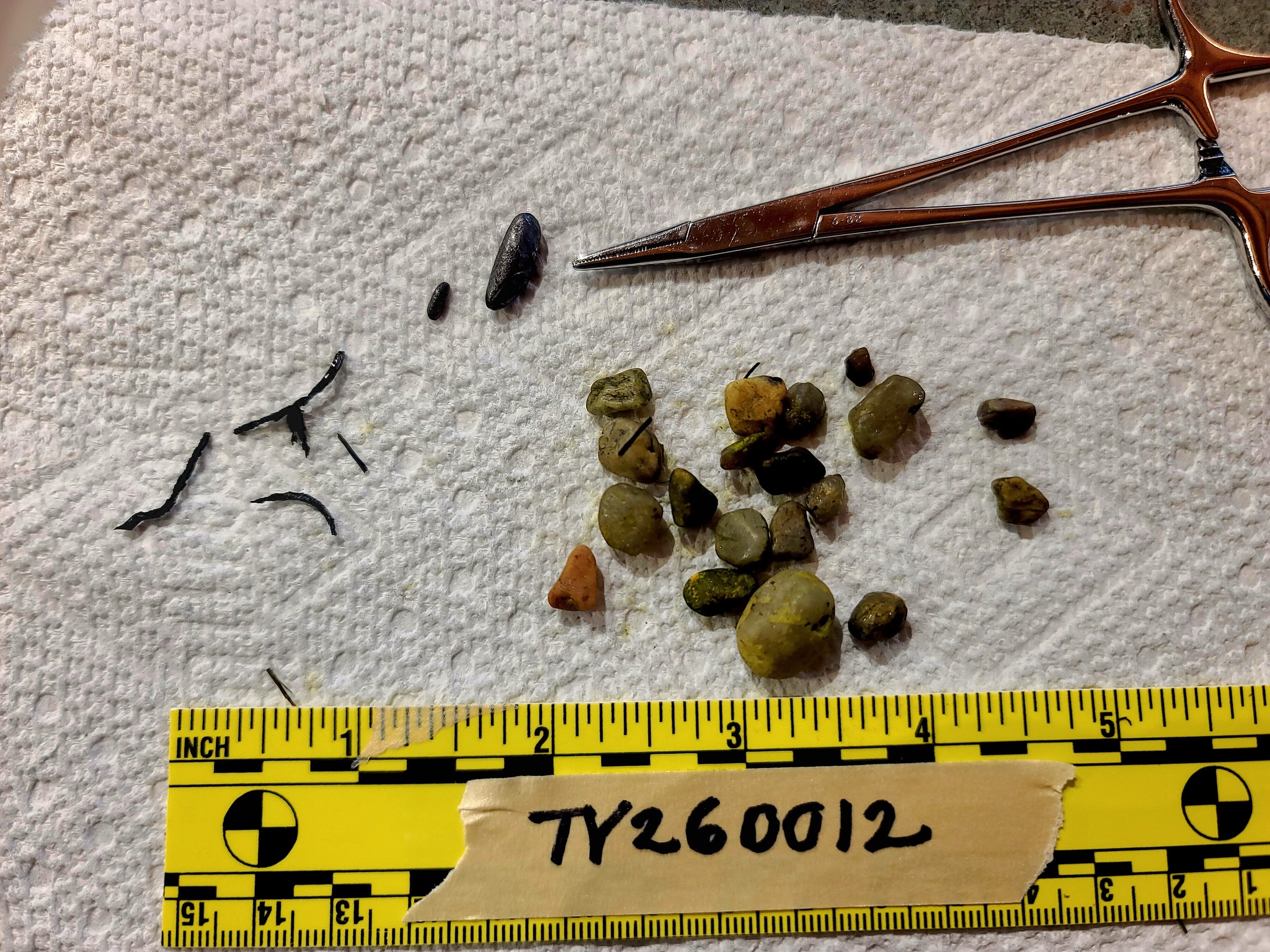
It is particularly sad, and maddening, when we have such an otherwise very healthy loon, killed by the ingestion of lead fishing gear. This male had not eaten in quite a while due to being so sick from lead poisoning that he could not successfully attempt to capture any food items. When loons get sick, from various causes, they often switch from fish to easier to catch prey like crayfish or even snails. When we find snails (often invasive Chinese mystery snails in western Maine) in the esophagus, proventriculus, or gizzard we know that bird was not doing well – a lot to process with little nutritional return, but easy to capture. This male, denoted as TV260012 (Tufts Veterinary archive, 12th loon to be necropsied in 2026) had no food on board.
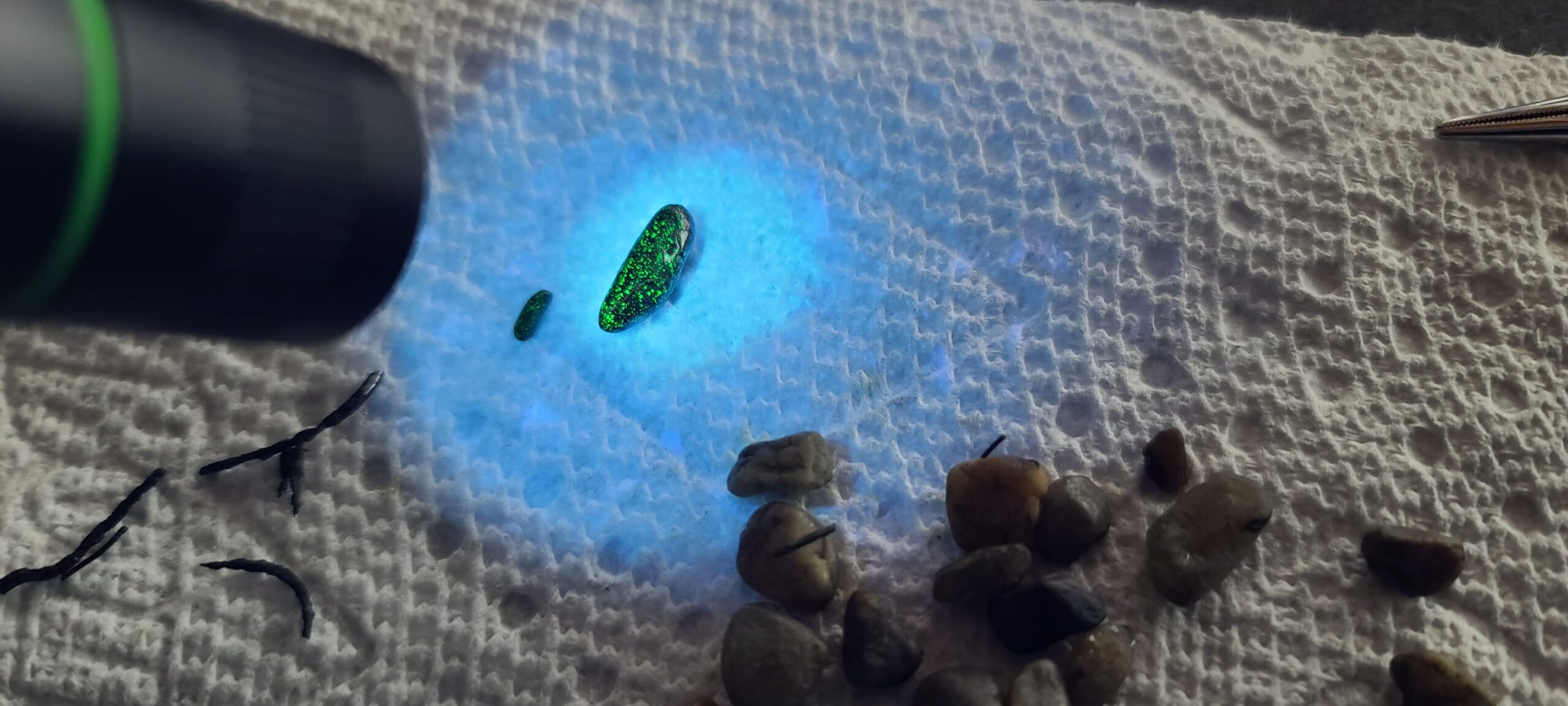
The lead lure was likely ingested by swallowing a fish that had broken off a fishing line. The muscular gizzard chamber with its hard stones (mostly quartz in this one) can break down bones and shells, and even non-stainless steel fish hooks, but the grinding action also abrades lead pieces that comprise lures (or sinkers), liberating highly toxic lead to circulate throughout the body. This affects brain function and many other organ systems, resulting in whole body shutdown in relatively short order. A lure may be broken apart and the hooks degraded, as was the case within this big male, but lead pieces do not move readily from the gizzard chamber into the intestines and out of the body. That residence time is most always too long to survive.
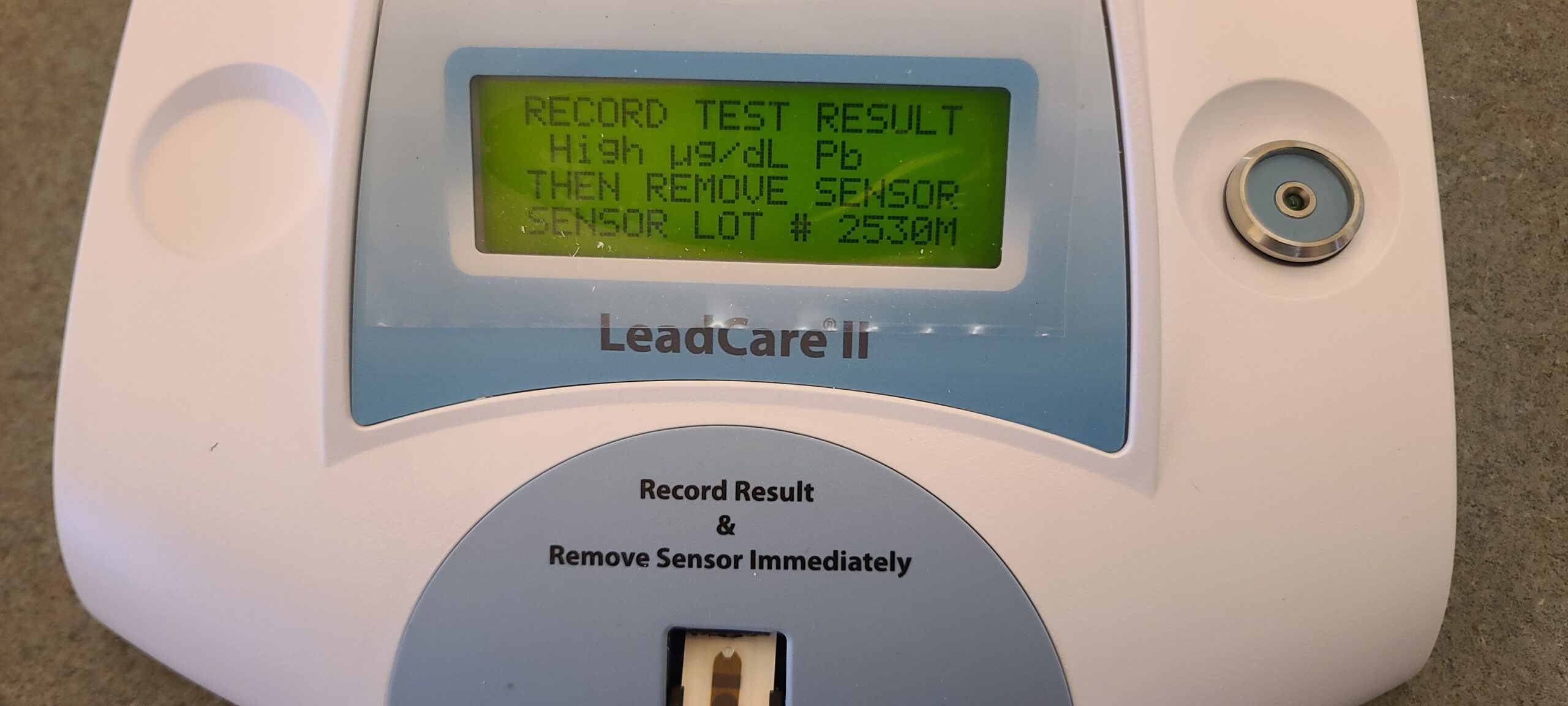
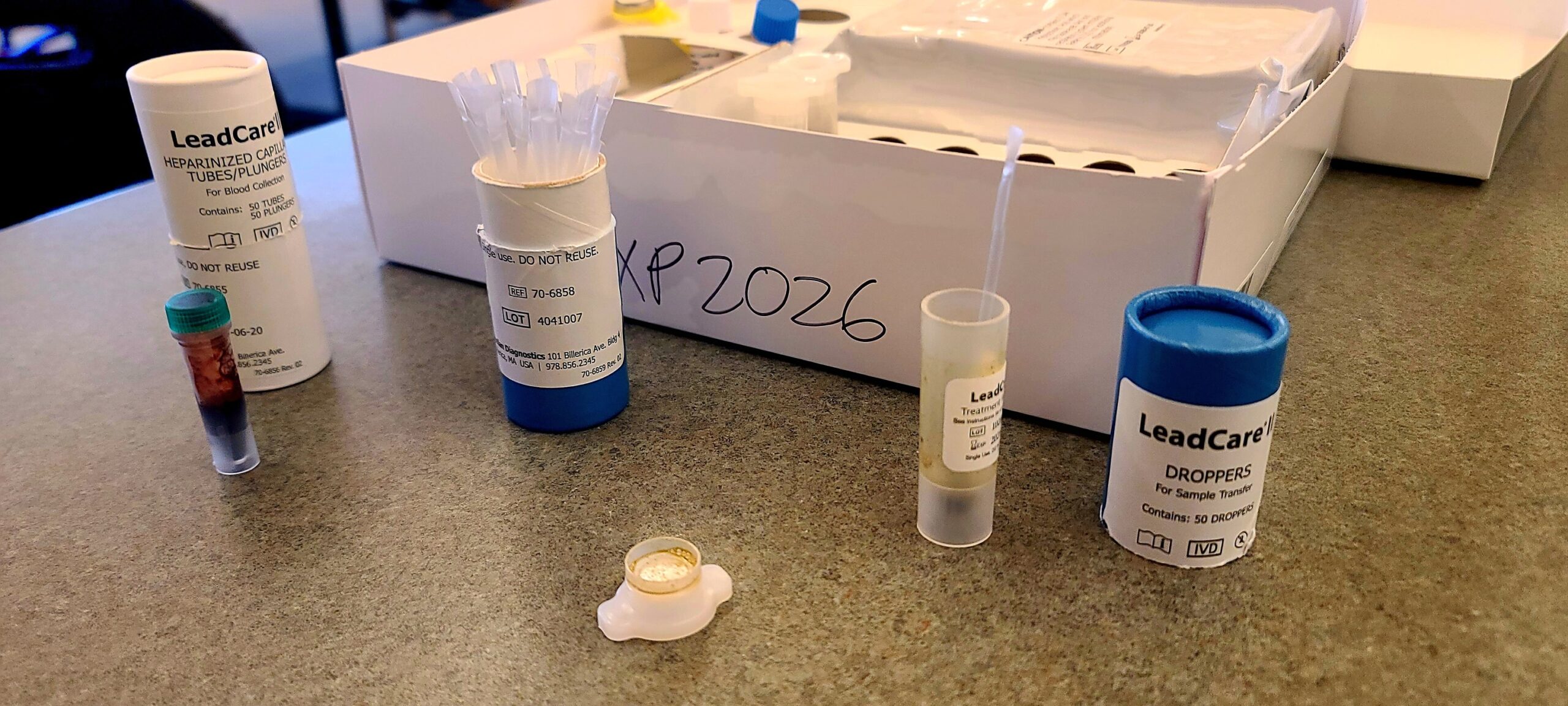
There are alternatives to lead fishing gear and many states, including Maine, have laws prohibiting the use and sale of lead lures and sinkers to try to reduce the number of unnecessary deaths of many animals, particularly fish-eating birds, This website https://fishleadfree.org/ has a lot of information about fishing gear laws, alternative equipment, tackle buy-back programs, and impacts to various species. Other valuable links include our partners Maine Audubon and Maine Department of Inland Fisheries & Wildlife.
We usually have a backlog of loons to necropsy after periodic deliveries from the state Waterbird Biologist and Bird Group Leader, Danielle D’Auria. Our group, the Downeast Loon Necropsy Collaborative (that works with College of the Atlantic, Dr. Mark Pokras, and other partners), and the Center for Wildlife in southern Maine try to keep up with the search for causes of loon deaths; indications of health, disease, and injury; and collection of tissues for later analysis by many researchers across the continent. Loon health is a good indicator of the health of their habitats – aquatic and marine.
Please share this information with people you know to try to reduce the preventable deaths of loons and other wildlife affected by lead poisoning.
Lead is not only highly toxic to wildlife but, of course, is to humans as well, with no safe limit of exposure. A good summary of human effects can be found at the National Institute of Environmental Health Sciences website.