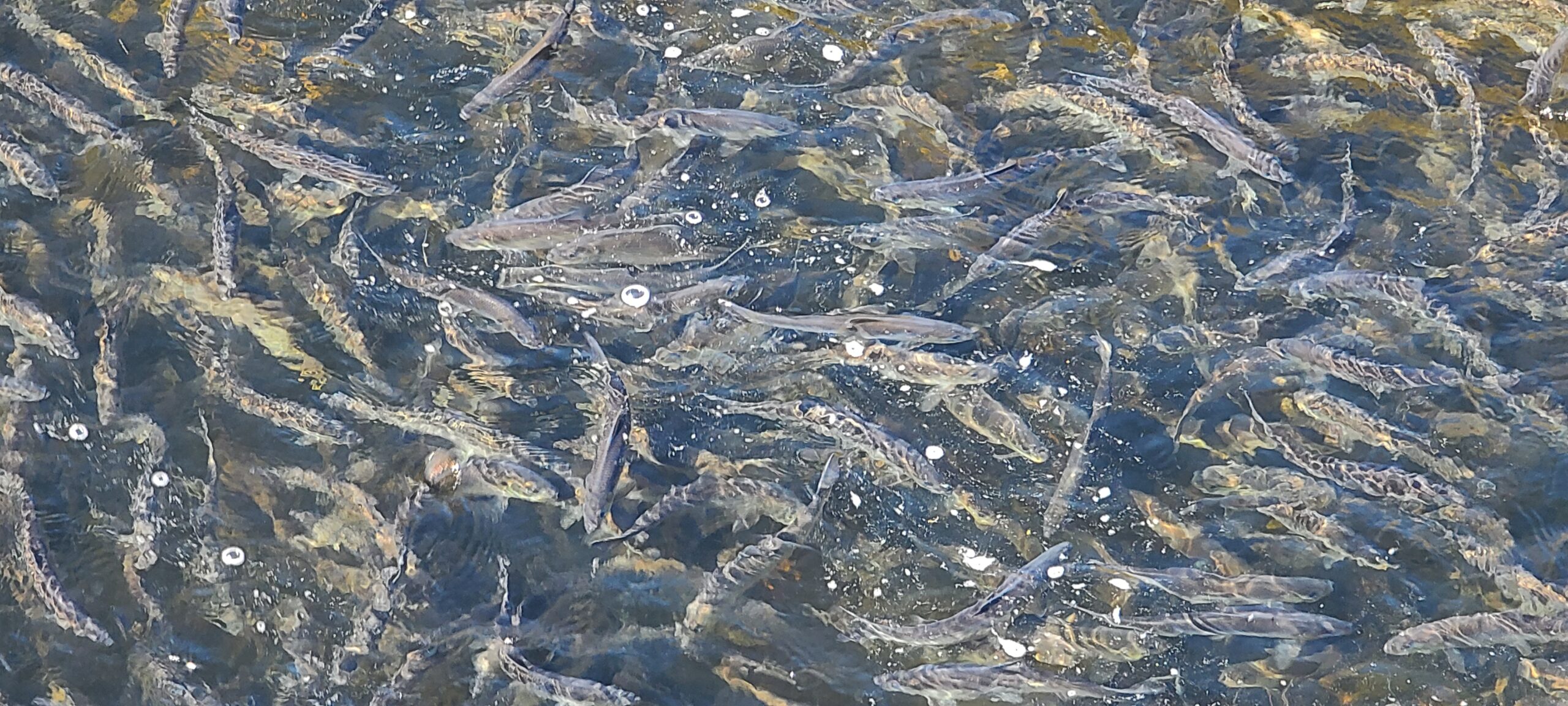
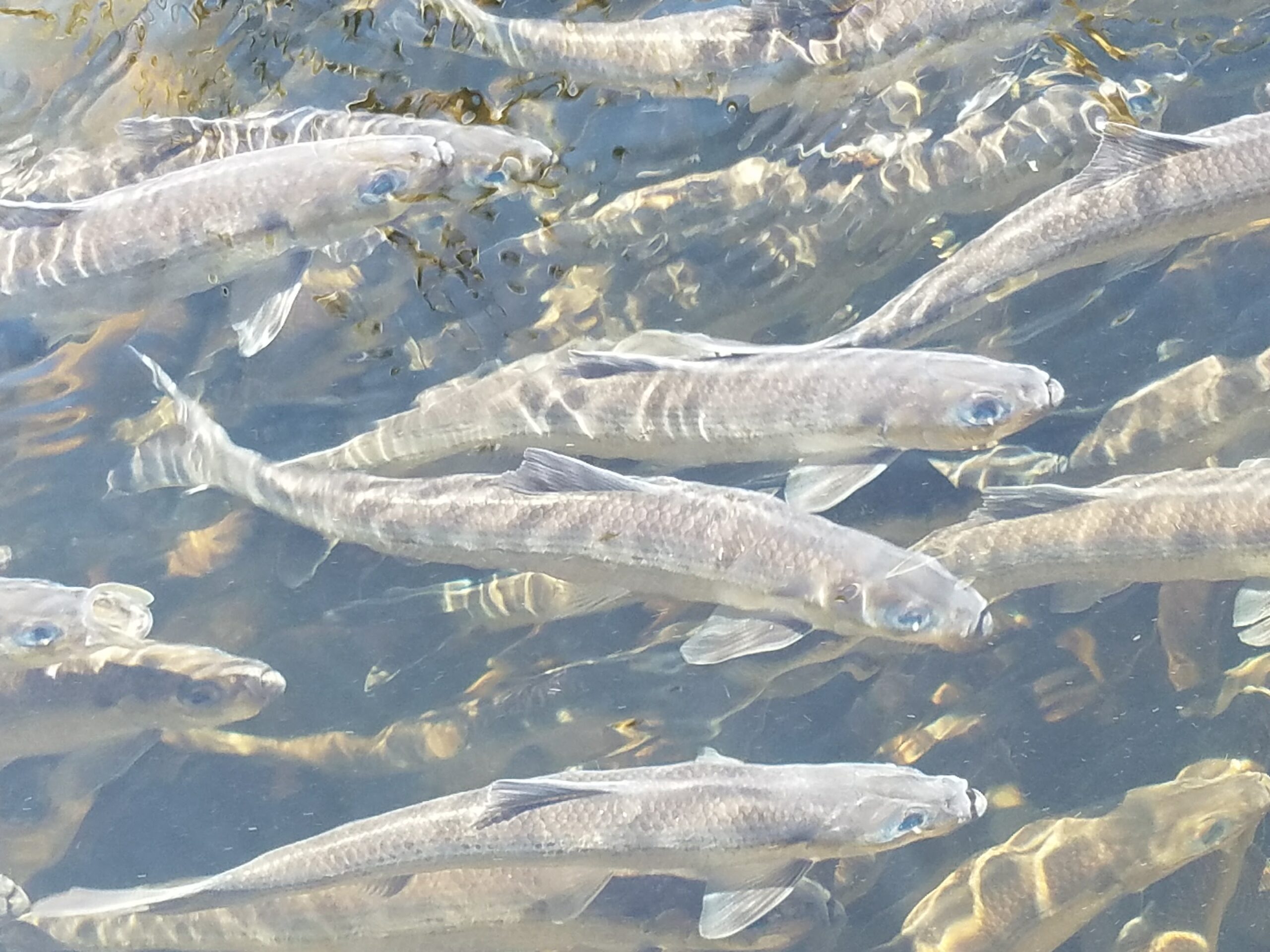
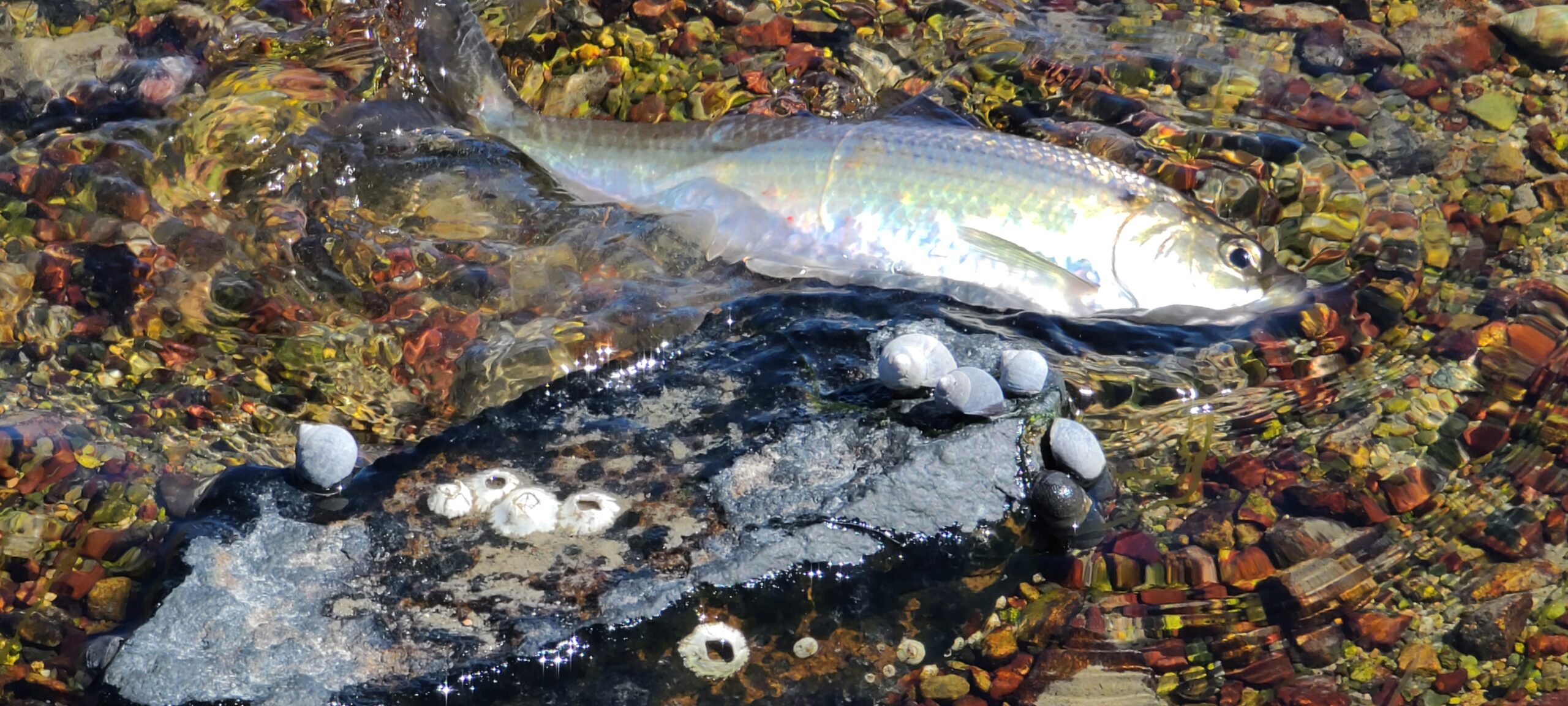
Alewife, a species of river herring, are a vital part of the Somes Pond-Long Pond watershed food web. The Sanctuary has worked for 20 years to create and maintain better passageways around dams and other obstacles so that the resilient fish can make their way to their spawning grounds and then return to the ocean. The ponds, streams, and saltwater cove in Somesville are truly a wildlife spectacle zone when the fish are on the move! Eagles, osprey, gulls, loons, foxes, otters, mink, seals and many others try to get some of the alewife action while they can.
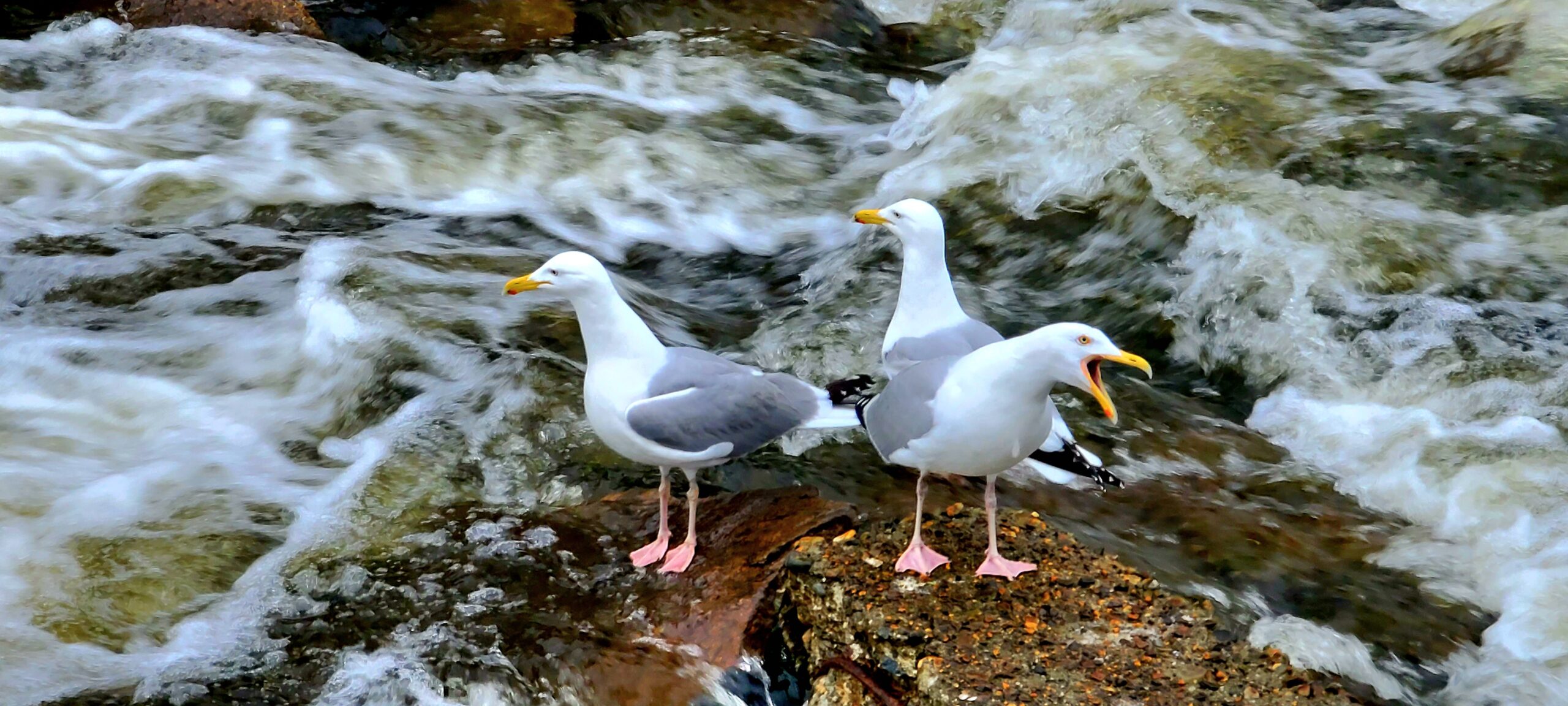
These fish are anadromous migrators, spending most of their lives in saltwater and coming to spawn in freshwater, hopefully, multiple times. They spawn in the ponds and lakes where they hatched for the first time as three- and four-year-olds and show very high fidelity to their natal water body. Adults return to the ocean within a couple of weeks of arrival and most of them are in and out in a month, although some stay longer. Consequently, what happens in our watershed throughout the year affects the ability of the fish to make it to their destination and get back out.
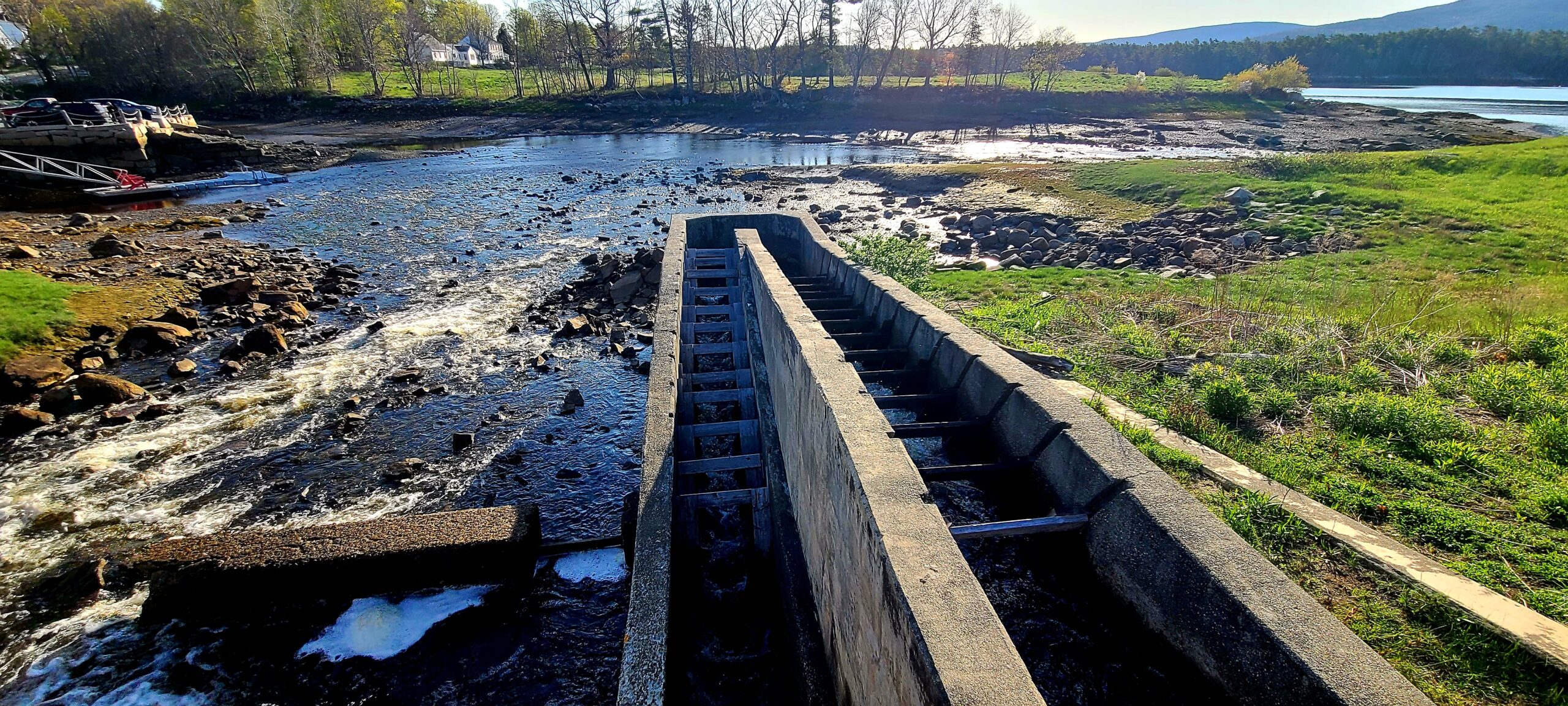
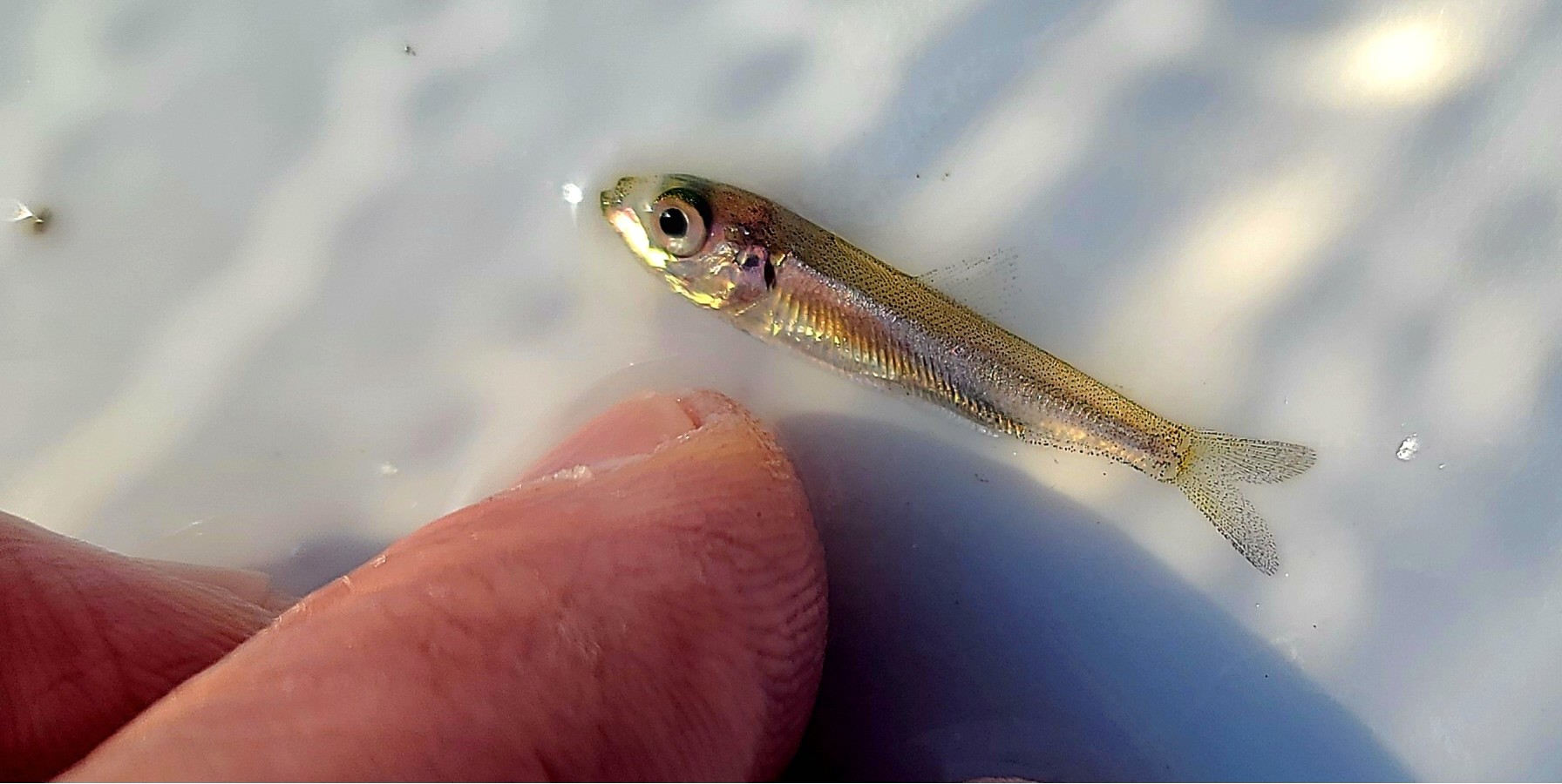
Drought conditions and stream blockages from debris are significant challenges for adults and the one- to three-inch-long juveniles, who emigrate from summer to late fall. A down year in the number of fish spawning in year one often means a down year three and/or four years later. We spend a lot of time making water flow adjustments to our fish ladders and removing blockages year-round.
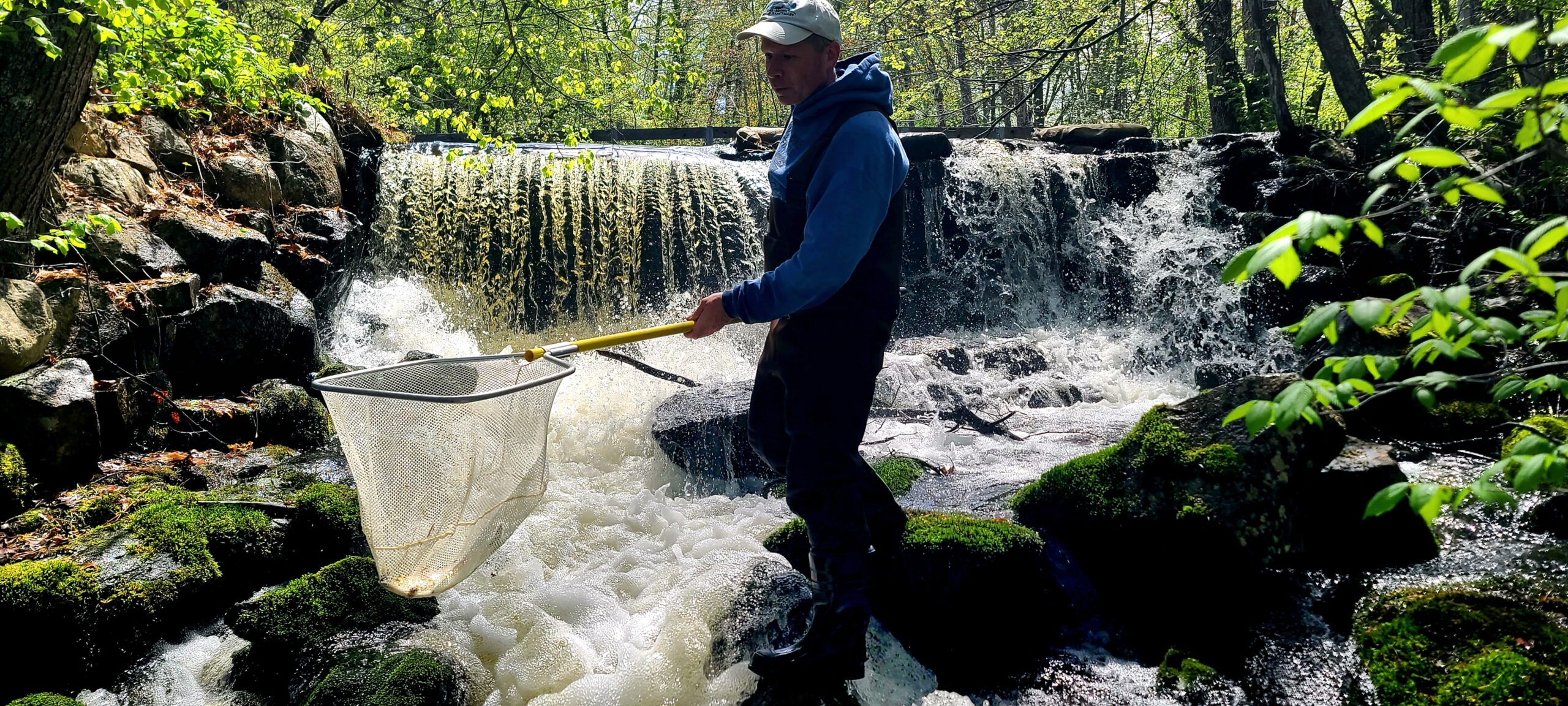
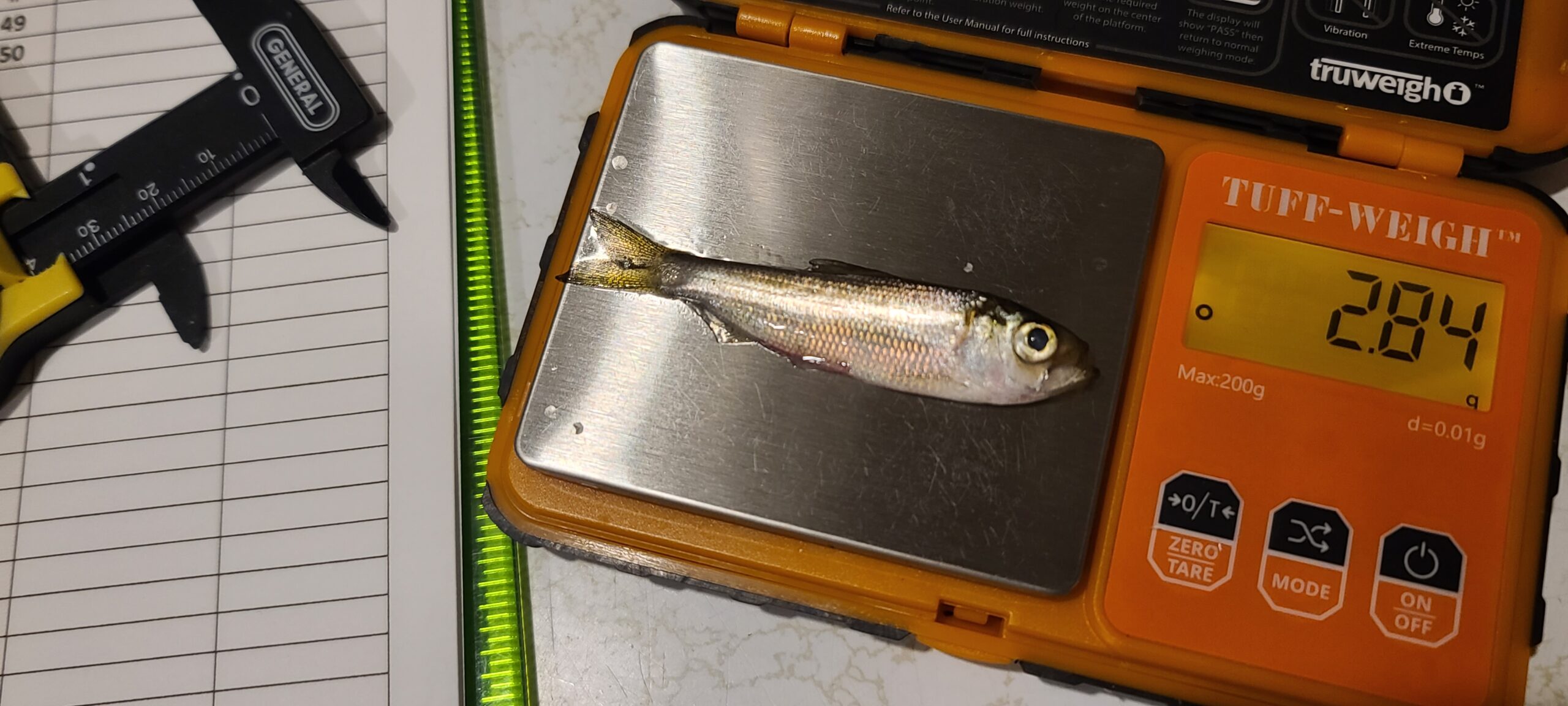
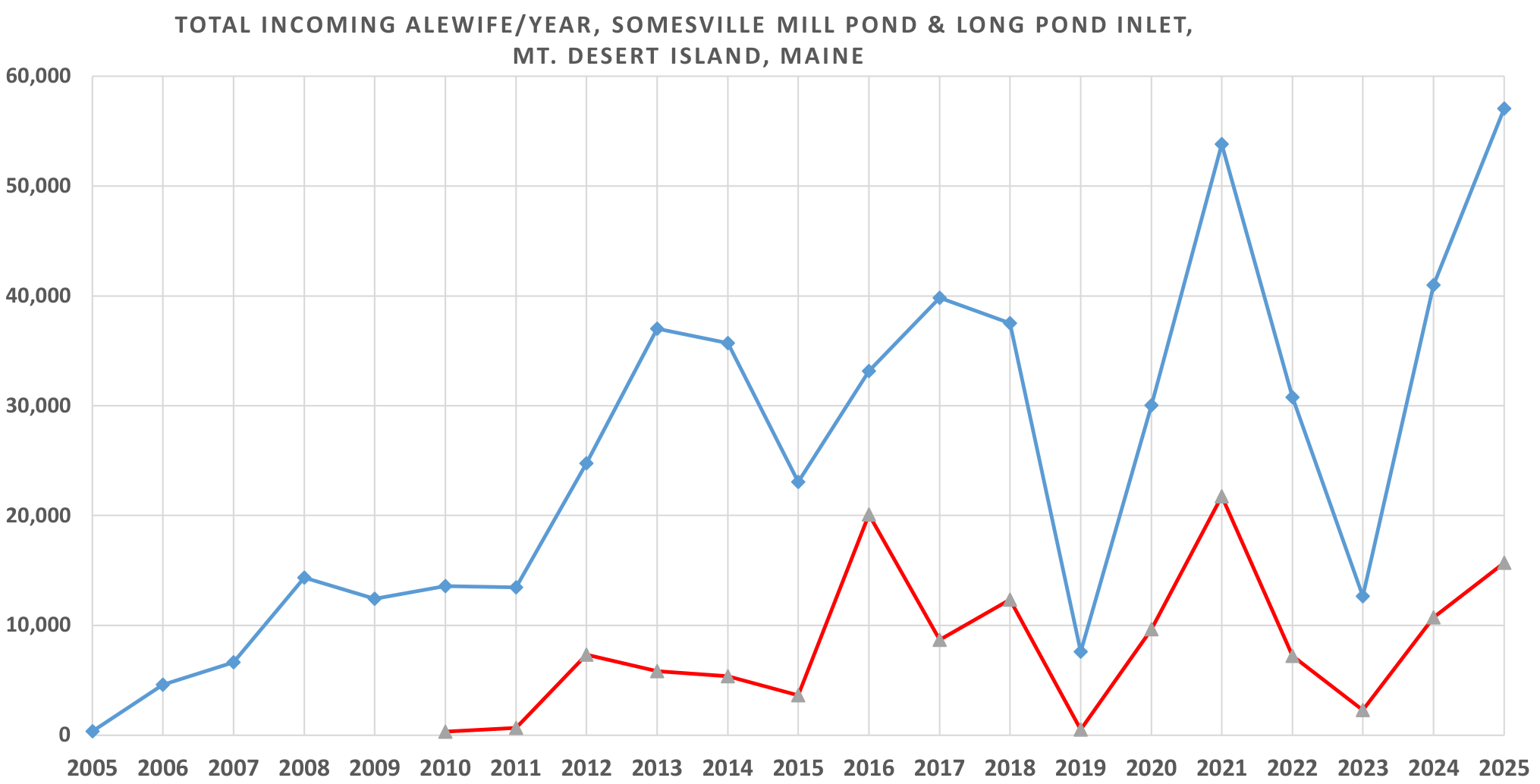
In 2005 there were only 361 alewife counted at the Mill Pond (the blue line in the graph). Through fish ladder improvements, supplemental stocking to jump start the repopulation, and careful monitoring of stranding conditions and blockages the numbers have increased substantially on average, with dips along the way due to the effect of small cohorts showing up in later years. See the graph below for the variability of alewife counted (actual counts, not estimates) by Sanctuary staff and volunteers over the years at the Mill Pond and Long Pond. The Sanctuary started monitoring Long Pond alewife numbers in 2010 (red line).
Alewife per Year 2005 – 2025
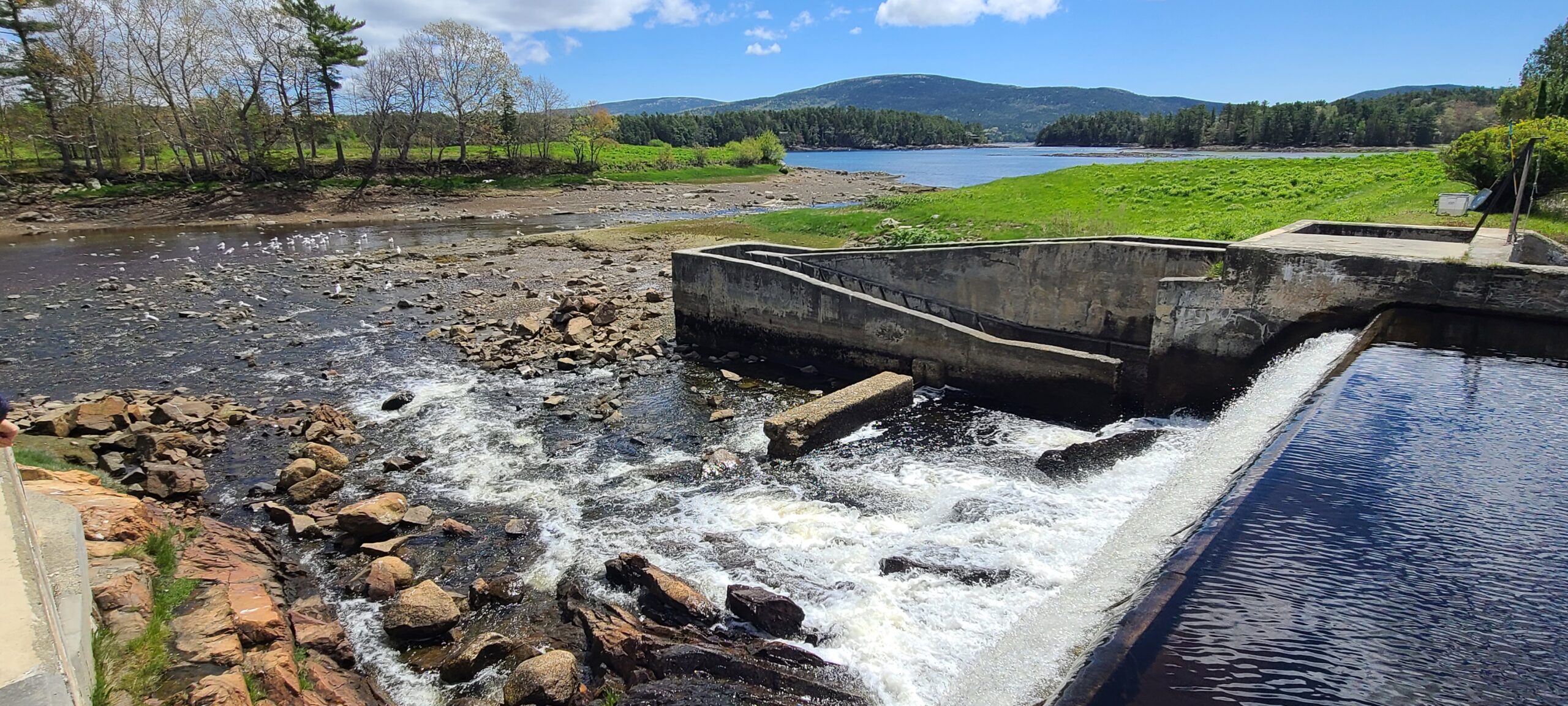
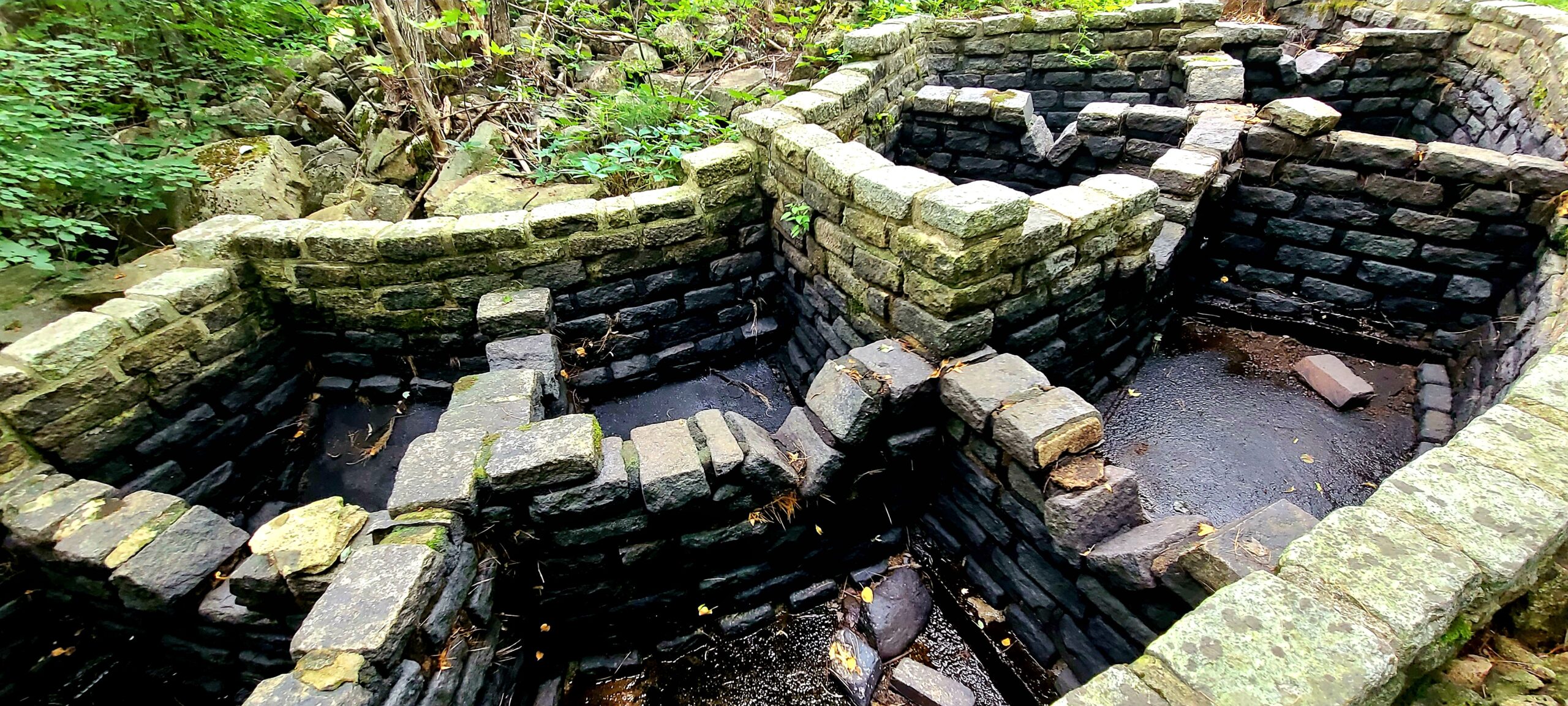
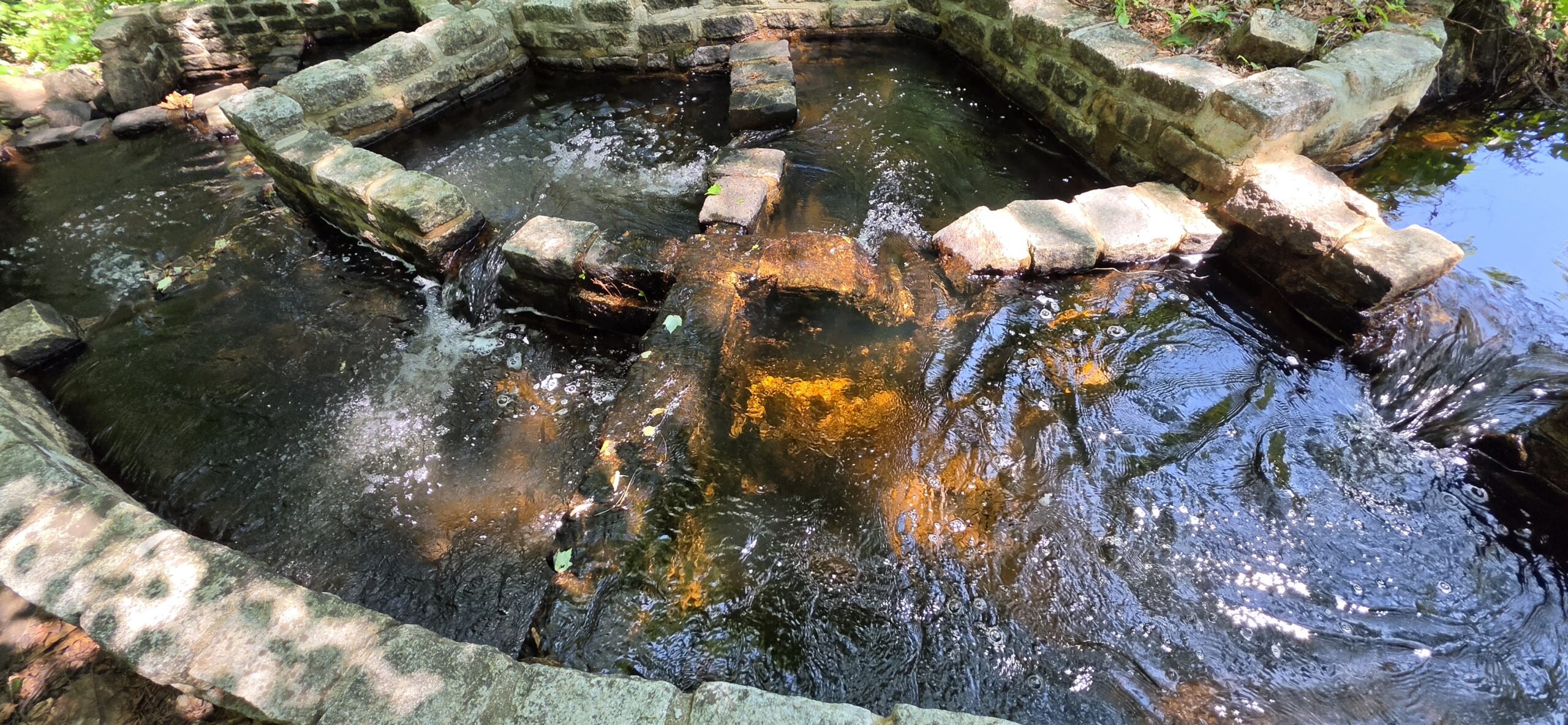
Most of the alewife entering the Mill Pond in Somesville after climbing the first fish ladder from the salt water cove below spawn in Somes Pond (104 acres). To get there they have to ascend three ladders from saltwater to Somes Pond to avoid the dams, and their impassable spillways, created for various types of mills in the later 1700s. In most years, about 10-30% of those fish go all the way to Long Pond (900 acres) a mile and a half inland.
We had a multi-decade record number of adult alewife entering the Mill Pond in 2025 with 57,083 counted and 15,698 hand-netted into Long Pond. For a bigger picture of how our migration compares to others in the State of Maine and other northeastern states, visit the Shad and River Herring Data Portal managed by Manomet Conservation Science and supported by the Gulf of Maine River Herring Network, which we are a member of.
Due to the relatively low number of alewife that arrived during the migrations of 2022 (30,756) and 2023 (12,660) and the fact that three and four year old fish make up the vast majority of our run’s cohorts, we expected a significant dropoff from last year’s high number of incoming fish. This prediction became reality with the 2026 migration numbers. At the Somesville Mill Pond we counted only 16,557 and at the outlet of Long Pond 1,692 (10.2% of MP). The 2026 Mill Pond total represents 29% of 2025’s total (57,083), 40.4% of 2024’s (41,000), 131% of 2023’s (12,660), 53.8% of 2022’s (30,756), and 31% of 2021’s (53,811).
The big downdrop in 2026 numbers reinforces the highly cyclical nature of our alewife run. A high number of inbound fish in year X will likely result in a high number in year X + 4. Similarly, a low number in year Y will be reflected forward in time to year Y + 4. This pattern can be seen in the yearly numbers graph above. Factors affecting the low level of repeat spawners and young demographic profile include the possibilities of low levels of escapement back to the ocean during drought years for juveniles and by-catch of alewife in the ocean while fishing for other species like menhaden (“pogies” locally) and Atlantic herring.
Since the drought year of 2016 we’ve made substantial efforts to maintain at least a thread of water through relatively flat riffle sections of stream between Somes Pond and the Mill Pond, as well as below the Mill Pond spillway where a 400 foot riffle leads to harbor water at low tide. In flat stream sections it can be hard to find the deepest line or curve through the watercourse known as the thalwag or talwag (Sanctuary assistant Rusty Taylor’s favorite word), but we try to do so and move sediment out of the way to permit at least a narrow channel with flowing water that can carry juvenile alewife downstream. We make adjustments throughout the year to water flows over dam spillways versus down the fishladders to optimize fish passage and minimize flooding. During severe drought periods lake and stream water levels can drop so much that the fishladder chambers become disconnected (no water flow between each one). There is not much we can do about that, except wait for substantial rain to arrive.
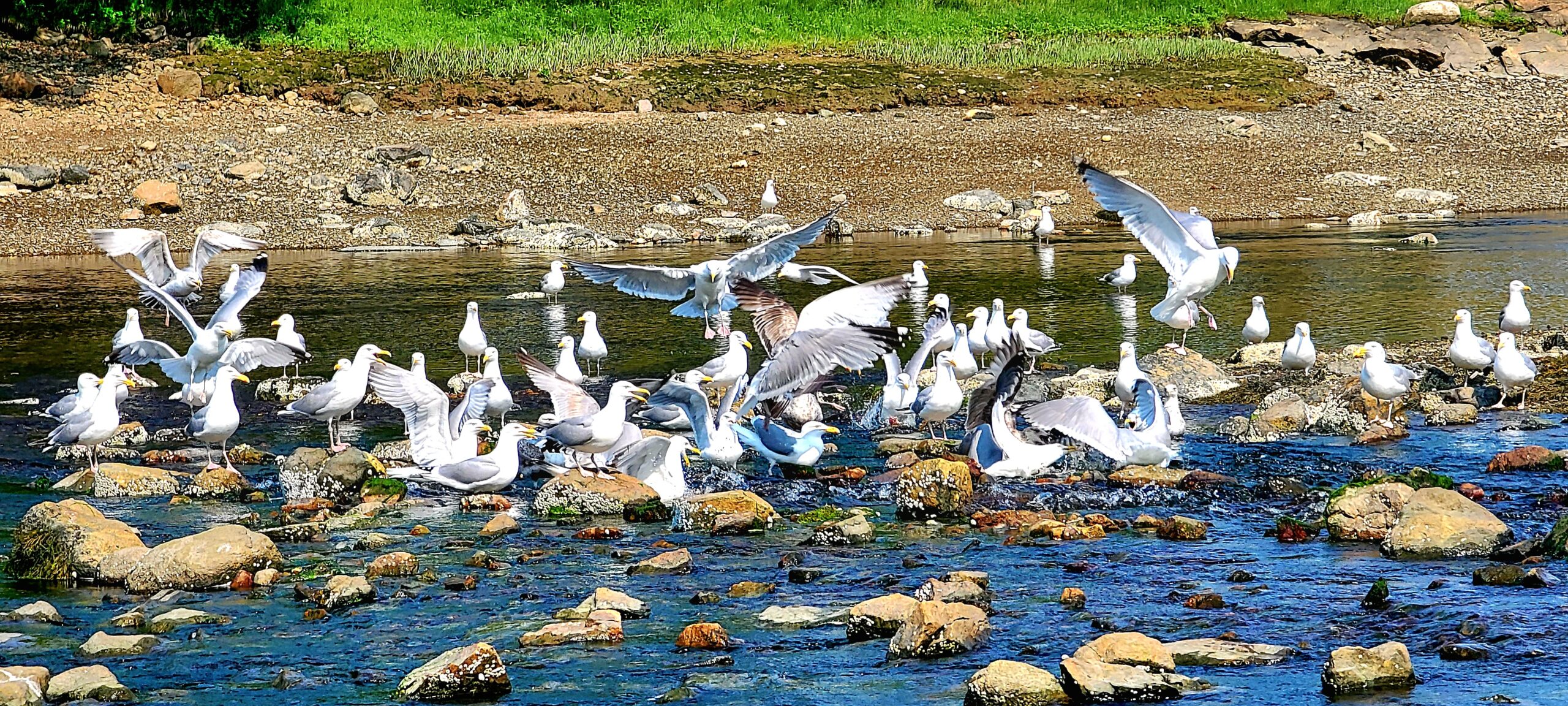
Another technique we use to try to increase alewife survival during the migration is to only let fish out of the Mill Pond at higher tide levels, particularly when the Mill Pond level is low and has no water going over the spillway. We open the gate at the top of the fishladder on high tides so that they descend to the cove below and better escape predators. At lower tide level many dozen or sometimes up to a hundred gulls catch a high proportion of fish that go over the spillway as they try to swim and flop their way over rocks to get to the distant ocean water in the harbor.
The issue of alewife bycatch is one that we have significant concerns about. The Somesville alewife migration starts considerably later than other small runs on the nearby mainland most likely because our stream water warms up more slowly. The first inbound fish start typically when the overnight low stream and Mill Pond water temperature reaches 60 degrees fahrenheit (15.6° C). This doesn’t usually happen for us until mid-May. The mainland land mass and air temps heats up more quickly in the spring, farther from cool ocean influence, and stream water rises accordingly. The result of this factor, and likely others, is that nearby mainland runs can start weeks to more than a month before the Somesville run. This spring(2026) for example, Wight Pond in Penobscot had alewife arrive on April 16th vs. May 13th in Somesville. Our month long inbound movement (for 95% of the entire population to enter the Mill Pond) ends later as well – not until mid-June.
Outbound adult alewife exit the system starting 10 days to 2 weeks after they first arrive to a month or more later. Most have left by the end of June/beginning of July. In recent years, when large numbers of alewife leave freshwater to head for Somes Harbor the menhaden fishery has already begun. Trawlers enter Somes Sound and Somes Harbor looking for menhaden to harvest in large nets in this overlap time of alewife returning to the sea and menhaden arriving in the area. On June 16th, 2025 a trawler loaded with a large net and many barrels for their potential catch circled the harbor numerous times looking for menhaden. We had just released thousands of alewife from the Mill Pond at high tide. We were concerned that the vessel would possibly set their net and capture the alewife moving into the harbor – fortunately they did not. Another vessel did deploy their trawl net, but hauled it in with nothing caught. Marine patrol was alerted to the scenario and they contacted the boat captains about the situation. Marine patrol was ready to inspect the catch at the dock if fish were harvested. We don’t have a good sense of unintentional bycatch in nearby Maine waters, but it could play a role in the number of alewife returning to spawn in their natal lakes.